
Sustainability in Mining Equipment Manufacturing
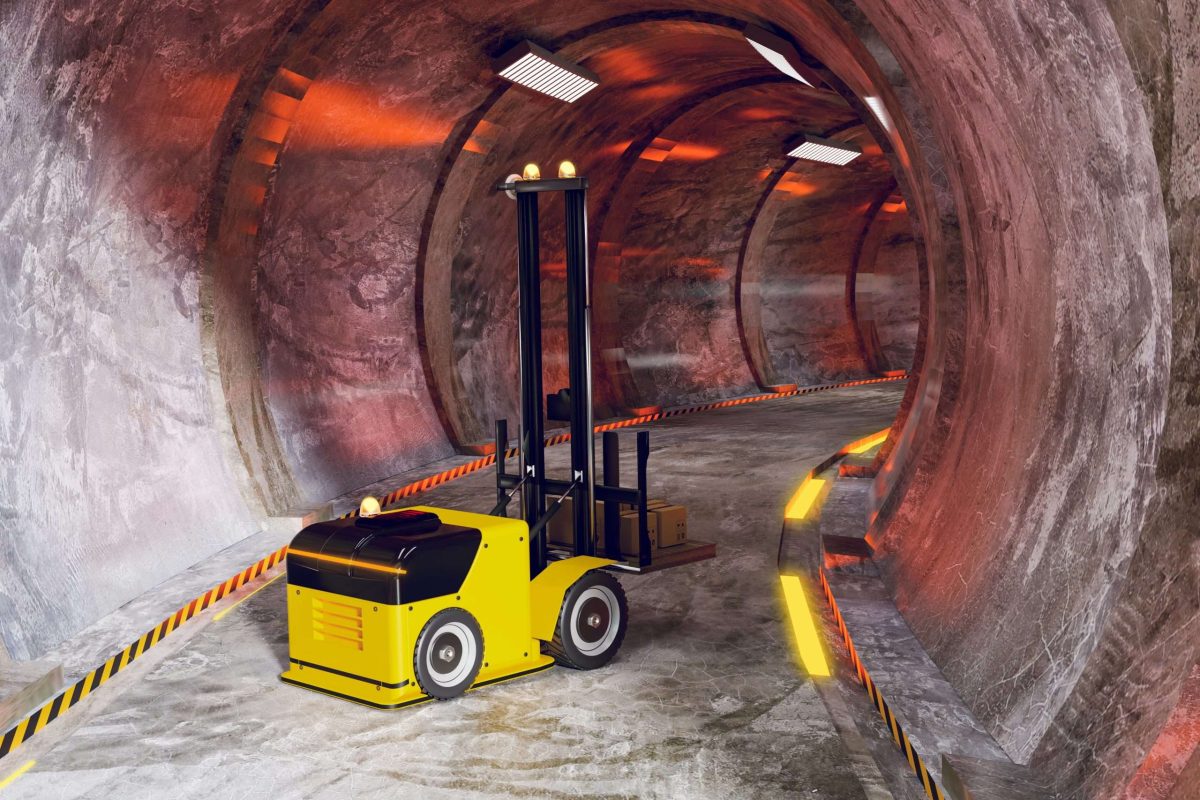
Mining equipment plays a crucial role in the global mining industry, but the environmental footprint of manufacturing this machinery is a growing concern. Embracing sustainable practices in mining equipment production can significantly reduce environmental impact while improving the durability and efficiency of equipment. Companies committed to eco-friendly production are setting a new standard for responsible industrial operations.
The Importance of Sustainability in Mining Equipment Production
Sustainability in mining equipment production is no longer optional; it is a necessity. The environmental pressures facing the mining sector demand a shift toward practices that minimize resource consumption, reduce waste, and lower greenhouse gas emissions. Sustainable manufacturing aligns with global efforts to combat climate change while meeting industry needs for reliable, high-performing equipment.
Eco-friendly manufacturing practices benefit not only the environment but also the end-users. Sustainable processes often result in mining equipment that is more robust and efficient. By prioritizing sustainability, manufacturers can deliver products that last longer, require fewer resources, and operate more efficiently, creating value for both the planet and the industry.
Leveraging Recycled and Renewable Materials
One of the most effective ways to incorporate sustainability in mining equipment manufacturing is by using recycled and renewable materials. Metals such as steel and aluminum are commonly used in mining equipment and can be recycled repeatedly without losing quality. Incorporating recycled metals reduces the demand for raw materials and lowers energy use during production.
Additionally, manufacturers are exploring renewable materials to further reduce environmental impact. For example, bio-based composites are emerging as an alternative to traditional materials. These composites offer comparable strength and durability while being more environmentally friendly. By adopting such innovations, mining equipment producers can significantly cut down on waste and resource depletion.
Energy-Efficient Production Processes

Energy consumption is a major contributor to the environmental footprint of mining equipment manufacturing. Implementing energy-efficient production processes is essential for reducing this impact. Advanced manufacturing technologies such as automation and precision engineering enable factories to optimize energy use while maintaining high production standards.
Some manufacturers are transitioning to renewable energy sources to power their facilities. Solar panels, wind turbines, and other green energy solutions help reduce reliance on fossil fuels, contributing to a cleaner production process. By combining energy efficiency with renewable energy adoption, companies can make strides in creating mining equipment with a lower carbon footprint.
Designing for Durability and Efficiency
Durability and efficiency are critical factors in sustainable mining equipment production. Equipment that lasts longer and operates more efficiently requires fewer replacements and less maintenance, reducing overall environmental impact. Engineers are focusing on designs that extend equipment lifecycles while enhancing performance in demanding underground environments.
For instance, modular designs are gaining popularity in mining equipment manufacturing. Modular systems allow for easier repairs and upgrades, minimizing waste associated with full equipment replacements. This approach not only supports sustainability but also offers cost savings for mining operations.
Efficiency is equally important. Advanced technologies such as hybrid power systems and intelligent controls improve the performance of mining equipment, reducing energy consumption and emissions during operation. These innovations highlight the industry’s commitment to a more sustainable future.
Collaboration and Certifications in Sustainability
Collaboration across the mining industry is essential for driving sustainable manufacturing practices. Partnerships between mining equipment manufacturers, suppliers, and industry organizations create opportunities to share resources and knowledge. By working together, stakeholders can identify best practices and implement scalable solutions for sustainable production.
Certifications and standards play a key role in promoting eco-friendly manufacturing. Programs such as ISO 14001 for environmental management systems provide a framework for companies to align their operations with sustainability goals. Adhering to these standards demonstrates a commitment to reducing environmental impact and improving operational efficiency. According to an article from the International Council on Mining & Metals (ICMM), collaboration and adherence to such standards are pivotal in advancing sustainability efforts within the mining sector.
The Future of Sustainable Mining Equipment Manufacturing
As the mining industry continues to evolve, sustainable practices in mining equipment production will become increasingly important. Technological advancements and a growing emphasis on environmental responsibility are driving innovation in this space. From recycled materials to energy-efficient production processes, manufacturers are redefining how mining equipment is designed and built.
Companies that prioritize sustainability are not only meeting regulatory requirements but also setting themselves apart as leaders in the industry. This forward-thinking approach positions them to adapt to changing market demands while contributing to a more sustainable mining ecosystem.